2026-09-29 3
Performance testing requires a clear definition of the object being tested, the purpose of the test, and the criteria for evaluation. Data obtained from the same part under different boundary conditions should not be compared without considering the specific conditions in which the tests were conducted.
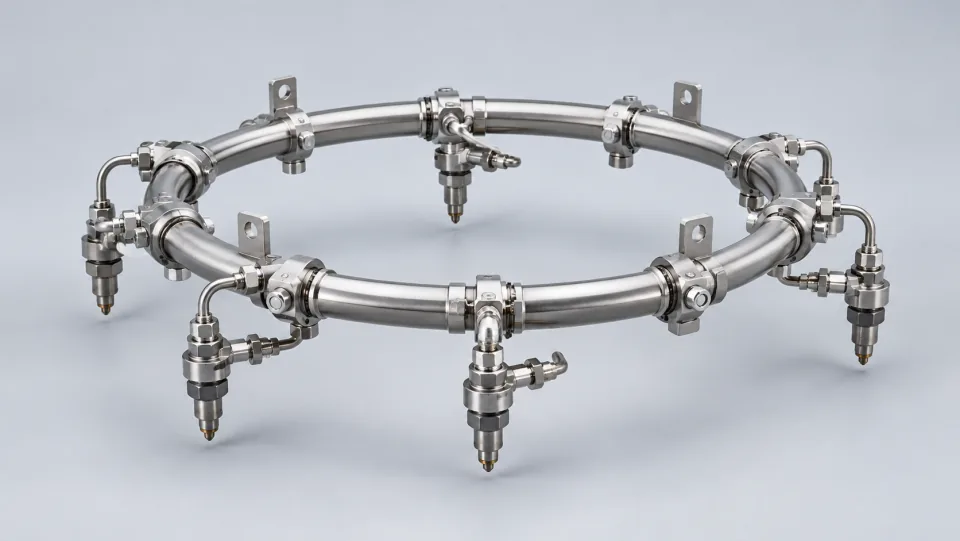
Tests can be used for research and development comparisons, manufacturing inspections, or problem re-evaluations. Different purposes require different ways of organizing data. By clearly defining the characteristics, input conditions, and output metrics to be verified before starting the test, it is possible to avoid collecting too much data without providing any useful information.
The results of the same test should be interpreted in conjunction with factors such as the medium, pressure, temperature, and connection conditions. It is also important to distinguish between set values and actual measured values. For data that has been converted, both the original data and the calculation methods should be retained, so that others can understand the process behind the results.
Test records should include information about the state of the medium, input conditions, instrument data, and any abnormal phenomena. For flow-related tests, data and test conditions should be stored together.
When changes occur during consecutive tests, it is necessary to first check the clamping mechanisms, supply stability, and the collection system. The purpose of repeating the tests should be to identify the source of the changes, rather than trying to obtain a desired value through multiple attempts. Anomalous data should not be deleted directly; instead, the reasons for the anomalies and any measures taken should be recorded.
A test typically only provides information relevant to specific conditions. Transferring the results from one operating condition to all other conditions requires additional justification. Reporting on the conditions covered by the tests, any issues found, and matters that need verification are more useful than simply stating that the performance is excellent.
It is assumed that the data obtained from two separate tests with the same nozzle are different. In the first step, it is necessary to check the conditions of the medium, connection methods, sensors, and the version of the data processing software. If any of these parameters have changed, it is important to determine whether this change is sufficient to affect the results before deciding how to conduct further tests. It is advisable to keep the original data and any explanations for any anomalies, so that the analysis can be reviewed by others. If the first set of results is simply deleted, it will be difficult to explain why the test conclusions have changed.
Re-testing provides new evidence, but it does not automatically interpret old results. The reasons for the previous anomalies, the extent of their impact, and any conclusions drawn still need to be recorded. Otherwise, the chain of data will become discontinuous.
When analyzing results, it is important to distinguish between changes in the part itself, changes in the test system, and fluctuations in measurement. Keeping the key conditions consistent before re-testing can improve the reliability of the conclusions drawn.