2026-09-29 2
Protection after manufacturing also affects the final delivery status. Interfaces, precision surfaces and internal channels should be properly protected according to product characteristics.
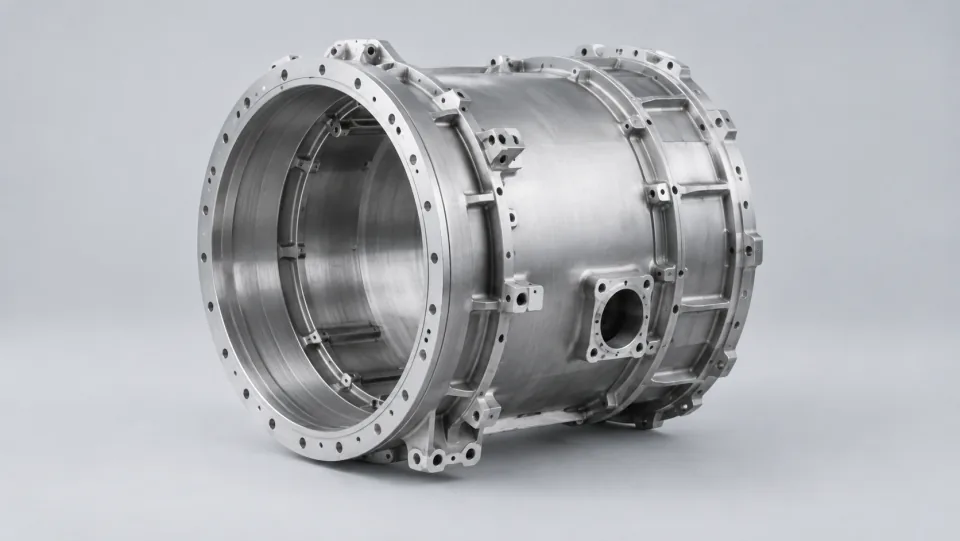
Different components have different risk areas. For example, delicate mating surfaces, thin edges, openings, and internal passages require appropriate protective measures based on the characteristics of the component. The materials used for protection and the methods of securing the components must also be suitable for the components themselves, avoiding any damage or contamination caused by the protective measures themselves.
Packaging needs to consider not only transportation but also packing, unloading, and verification upon receipt. Proper support, recognizable markings, and accessible spaces can help reduce operational difficulties. Essential information such as weight and orientation should be clearly indicated, making it easier to handle the components according to the required procedures.
The packaging solution should take into account transportation, handling, and inspection upon receipt. It’s important to ensure that the components are clearly labeled and that the accompanying documents are easily accessible for customers to check.
Before packing, it’s important to verify the identity, quantity, status, and accompanying documents of each component. When multiple batches of components are delivered at the same time, it’s important to avoid mixing up documents with actual components. The list provided after packaging should help recipients quickly understand the contents of the package.
Recording the status of components upon delivery and any relevant information helps to clarify boundaries in case problems arise later. If there are specific requirements for transportation or storage conditions, these should be clearly stated in the applicable documents. reliable delivery involves not only protecting the product but also ensuring the accurate continuation of information.
Assume that a component is securely packed inside the box, but it is difficult for the recipients to grasp it. Therefore, during unpacking, the recipients must come into contact with sensitive surfaces. This indicates that the packaging only takes into account transportation, without covering the entire process of handling the component. The review of the packaging solution should include steps such as packing, unpacking, and inspection, ensuring that all necessary supports, markings, and space are readily available for easy operation. Protective measures should continue throughout the entire process from packaging to receipt.
The appearance of the outer packaging is just one part of the information received. It’s still necessary to verify the actual components, quantities, markings, and documents according to the required standards. Special attention should be paid to the state of transfer, which needs to be recorded.
Before delivery, it’s important to check the consistency of quantities, status, packaging, and documents. Recording this information will provide a basis for subsequent tracking.