
2026-09-29 6
Process quality control requires converting drawing requirements into executable and inspectable process requirements. For steps such as clamping, connecting, and cleaning, clarifying input conditions and inspection timing helps reduce the transmission of problems.
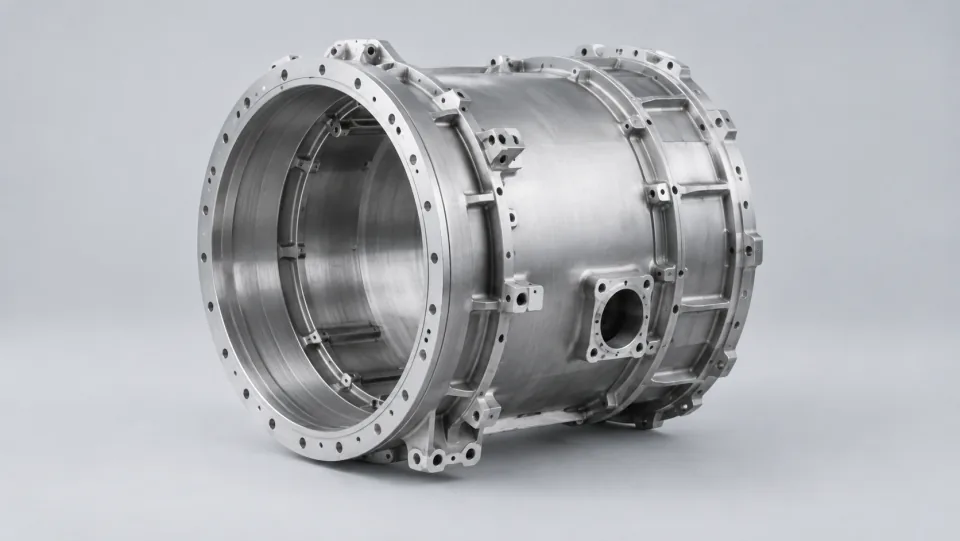
Key nodes can be considered from two perspectives: the consequences of failures and the ability to detect issues later on. Dimensions that affect assembly interfaces, internal cavities that cannot be accessed later, and surface conditions that must be confirmed before connection should all be discussed separately during process reviews. Inspection points should specify what needs to be checked, who will perform the checks, and when sequencing can proceed.
The statement “continue with the next step after passing the inspection” is often too general. A clearer description should relate to drawing features, applicable methods, and where records should be kept, so that operators know what results need to be submitted. For items that can only be measured at specific stages, this should be clearly stated in the transfer documents to avoid missing inspection opportunities.
When setting up inspection points, it is necessary to consider whether subsequent processes can still access the areas being inspected. Features that are difficult to inspect after assembly need to have necessary inspection records before sealing or covering them.
The fact that multiple individual dimensions meet the requirements does not automatically mean that the assembly relationships also meet the standards. When dealing with dimension chains or common references, it is necessary to assess process capabilities in relation to the overall system. First-piece inspections, random process checks, and final verifications can each have different tasks, and the specific frequency should be determined based on product risks and process requirements.
After changing tooling, equipment, or processing sequences, the original stability conclusions may no longer be valid. It is necessary to identify the features affected by the changes and arrange targeted verifications. The results of these verifications should be saved along with the changed versions, so that subsequent personnel can understand the conditions under which the new process can be applied.
It is assumed that a component cannot reach the internal surfaces after final connection. Therefore, during process planning, it is necessary to clearly define the inspection steps before sealing, and to include the completion records as input conditions for subsequent connections. If sealing has been completed on-site but the records are missing, it is not sufficient to rely solely on external inspections to draw conclusions. Instead, it is necessary to evaluate what other methods can be used to obtain the required information. This process indicates that both the location of control points and their requirements are important, and inspection arrangements must be designed accordingly to adapt to changes in product status.
Inspections should be targeted at specific risks and have clear purposes. Repeatedly inspecting the same item while missing key stages may not improve quality. Properly arranging inspection points is more important than simply increasing the number of inspections.
After process changes, it is necessary to assess the affected processes and product scope, and ensure that document updates are consistent with on-site implementation.