2026-09-29 3
Pipeline manufacturing requires taking into account shape, connection interface and internal condition. The appearance after processing is consistent and does not replace the inspection of internal cleanliness and connection status.
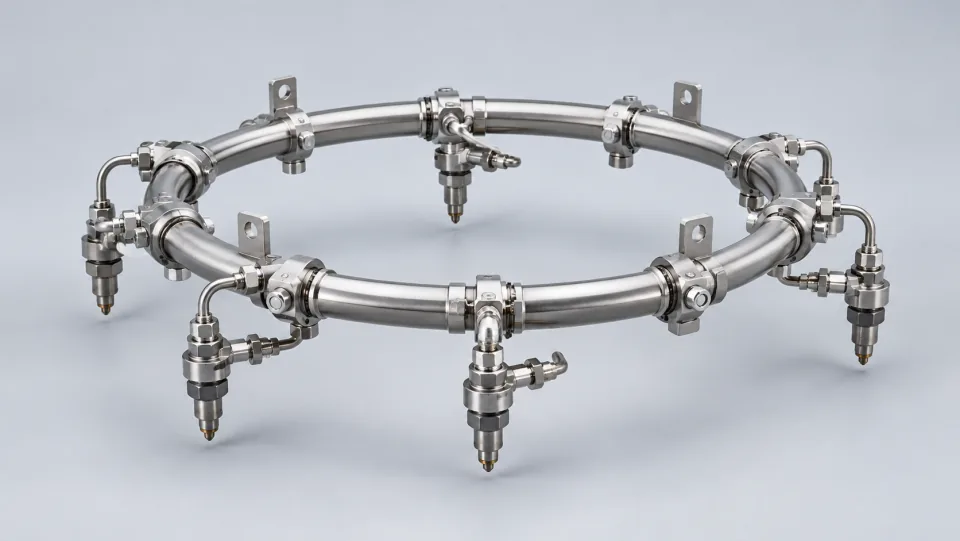
The exterior appearance and interfaces of pipelines can be observed from the outside, but the internal conditions need to be verified according to the appropriate requirements. Manufacturing documents should specify when internal inspections or cleaning operations are completed, as well as how to maintain this state throughout the process, rather than focusing only on these tasks before delivery.
Openings are prone to exposure to the outside during processing, storage, and transportation. Protective measures must be suitable for the product and subsequent manufacturing processes, and must allow for clear identification of whether the protection has been removed. Verifying the status of protection measures and internal channels before assembly can reduce the risk of missing protective components or foreign objects entering the system.
During transitions and storage, appropriate protective measures must be taken to prevent foreign objects from entering. Identifiers should be easy to distinguish, allowing for identification of component models, batches, and processing statuses.
Similar components may have different orientations or interface combinations. Using diagrams to compare component identification and location is more reliable than relying solely on appearance. If there are any discrepancies during assembly, it is essential to verify the drawings and specifications, rather than making changes on the spot without proper evaluation.
After repairs, re-cleaning, or replacement of protective measures, relevant records must also be updated. At the time of delivery, it is important to describe the current state of the component, not just that certain actions have been performed. Clear records can reduce the need for repeated verifications at the receiving end.
Assume that the pipeline has undergone internal processing and then temporarily opened, before being closed again later on. In such cases, it is necessary to verify the internal condition according to applicable requirements and update relevant records, rather than continuing to use the previous completion indicator. This type of state change is particularly important for components that go through multiple transitions in their processing sequence, to avoid misunderstandings in the next stage where it might seem like the protection measures were never interrupted.
Sealing is a measure to maintain the state of the component, but it cannot replace the verification of the original internal condition. Inspection or processing must be carried out according to the required procedures, and then appropriate protective measures should be used to maintain the confirmed state.
Before delivery, it is necessary to compare inspection records with the drawings and project requirements to ensure that the physical component matches the documentation.